


DRILLING + ANCHORING TECHNOLOGY WITH A BIG PLUS!

Diamond Core Bits
Diamond drill bits are indispensable in the construction industry, ideal for drilling into materials such as concrete and masonry. At B+BTec, we combine advanced technology with comprehensive expertise to ensure the highest quality. Our innovative diamond drill bits offer exceptional performance and can be customized to perfectly meet the requirements of your project.

HiSpeed Diamond Crown Bits ½"
Diamond Core Bits for Wet use. Bit diameters 8 - 110 mm.HiSpeed Diamond Segment Drills 1¼"
Diamond Core Bits for Wet use. Bit diameters 41 - 1000 mm.DrySpeed Ultra Diamond Dry Bits 1¼”
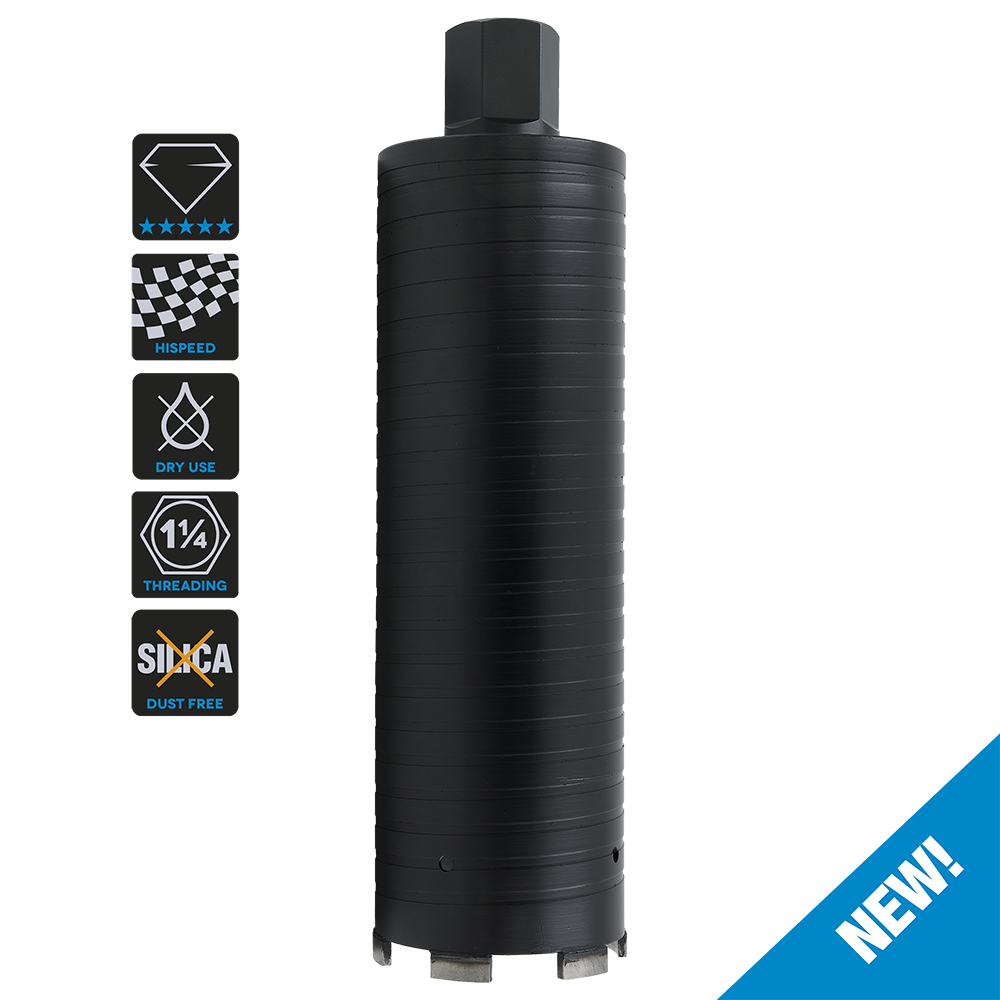
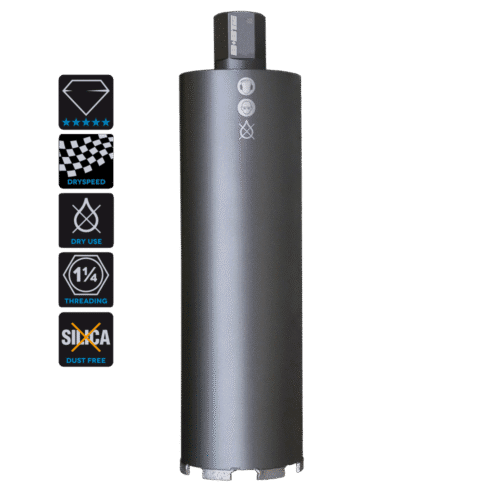
Diamond drilling for dry use in (reinforced) concreteDrySpeed Segmented Diamond Core Bits 1¼"
Diamond Core Bits for Dry use. Bit diameters 37 - 250 mm.DrySpeed Diamond Socket Drills 1¼"
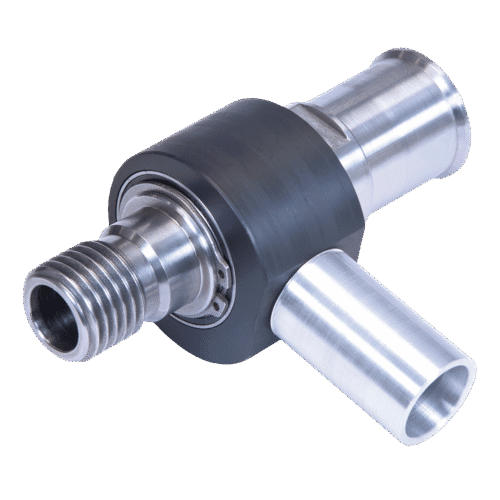
Diamond Socket Bits for Dry use. Bit diameters 68 - 82 mm.Dry Drilling Adapter 1¼”
For Karat® 180/3506000504Drilling attachment 400 mm
2100060Drilling attachment 90 mm
2100131Diamond socket core bit M16 – 77 x 75 mm
2200077Diamond socket core bit M16 – 82 x 75 mm
2210082Centering pin 60 mm
For extraction system M162210060SDS+ Centre drill bit 8 mm
For diamond socket core drill bits M162200001SDS+ attachment
For centre drill bit 8 mm2200004SDS+ mount with M16
For diamond socket core drill bits M162200003DIAMOND³ Tile Bits Premium
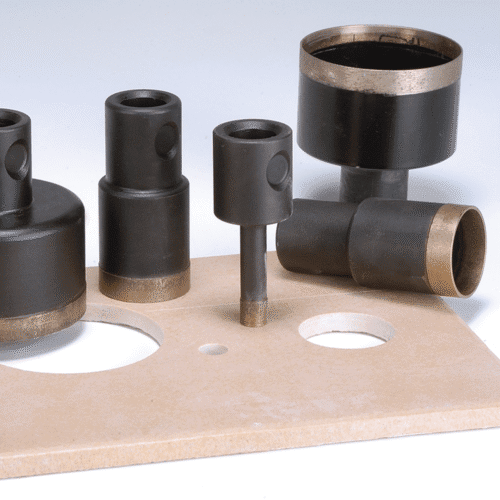
Premium Quality Tile Bits for Porcelain, Ceramic Tile, Marble, Granite, etc. Bit Diameters 4 - 68 mm.Hex socket with M16 thread
For diamond socket core drill bits M162200002Extraction System M16
For diamond socket core drill bits M162210000HiSpeed Segmented Bit - 1000 x 500 mm
1910005








Why are B+BTec’s diamond drill bits so special?
B+BTec’s diamond drill bits stand out on multiple fronts. They offer both wet drilling in concrete and reinforced concrete, and dry drilling in hard materials such as masonry, calcium silicate brick, and clay brick. This versatility makes a B+BTec diamond drill bit suitable for a wide range of projects.
B+BTec supplies high-quality diamond drill bits for every job, from drilling through heavily reinforced concrete to precision work in masonry. Thanks to our expertise and innovative approach, you are guaranteed the right solution. Choose B+BTec and experience quality and precision in all your drilling projects.
What to consider when buying a diamond drill bit?
When choosing the right diamond drill bit, several factors are important:
- Diameter of the drill bit – depending on the desired hole size.
- Wet or dry drilling – wet drilling prevents overheating and extends the life of the drill bit, while dry drilling is suitable for jobs without water supply.
- Material type – concrete, reinforced concrete, stone, or tiles each require a specific drill bit.
- Machine connection – check the connection (e.g. 1/2” or 5/4”) to ensure the drill bit fits your core drilling machine properly.
Our specialists are happy to help you choose the right diamond drill bit.
High-quality features of our diamond drill bits
One of the most impressive features is the unmatched drilling speed. These diamond drill bits are up to twice as fast as conventional bits, especially in heavily reinforced and high-strength concrete. This means you save time and money without compromising on quality and precision.
Reinforced concrete can be a nightmare for standard drill bits, but not for a B+BTec diamond drill bit. They effortlessly drill through steel, allowing you to work more efficiently without worrying about obstacles in the material. This makes them ideal for projects where the presence of steel can be a challenge.
Approved for healthy and safe working by TNO
We have had all our drill bits approved by TNO for dust-free operation, meaning they are certified for up to 8 hours of drilling per working day. Dust-free working is not only more efficient but also much healthier and safer for those working on site. This guarantees not only a healthy working environment but also reduces the risk of health problems with prolonged use.
In addition, dust-free working ensures cleaner air on the construction site, protecting workers’ health. It also prevents dust from accumulating in machines, extending the life of the equipment. Furthermore, dust-free working helps reduce the ecological footprint of your project.
Choose B+BTec’s expertise in diamond drilling
If you are looking for high-quality diamond drill bits, B+BTec is the right place for you. Every project is unique, which is why we offer bespoke solutions. All our solutions are handcrafted to meet the specific requirements of your project. This guarantees the best performance and accuracy, regardless of the complexity of the job.
We are here not only for the purchase but also for repairs and aftercare. Even after 20 years, you can come to us for repairs or replacement parts. This shows how much we value sustainable relationships and customer satisfaction. Choose B+BTec’s expertise for all your drilling needs and experience the difference in performance and durability!
Order diamond drill bits online at B+BTec
Buying a diamond drill bit is easy via our webshop:
- Select the desired size, connection, and application.
- Order on working days before 3 PM and we'll dispatch it the same day.
- Your order will be delivered free of charge the next day from €25.
- Additionally, you'll benefit from our excellent service and aftercare.
Frequently asked questions
What is the difference between wet and dry diamond drilling?
Diamond drilling uses water to cool the drill bit and prevent dust formation. This is ideal for concrete and reinforced concrete. Dry drilling is used for brickwork or when water is undesirable.
Which diamond drill bit do I need for reinforced concrete?
For heavily reinforced concrete, we recommend our TNO-approved wet drills. These drills efficiently cut through concrete and steel, with high speed and minimal wear.
How do I work dust-free when drilling?
Our diamond drills are approved for 8 hours of dust-free work per day. Use a dust extraction system for maximum workplace safety and health.
What are the applications of diamond core drills?
Diamond core drills are used for making precise holes in concrete, natural stone and masonry, for example for installations, pipes, anchor rods or ventilation shafts.
There is no difference between a core drill and a diamond drill. They are the same thing.
A core drill is a drill used to bore a circular hole (a core) from concrete, stone, or asphalt. A diamond drill is a type of core drill where the drill bit is fitted with industrial diamond segments. In practice, the terms core drill and diamond drill are often used interchangeably.
When do you use a diamond core drill?
A diamond core drill is used when you want to drill holes in hard materials such as concrete, natural stone, or asphalt quickly, precisely, and with minimal dust. Thanks to the diamond segments, the drill grinds through the material, ensuring a smooth result without cracks.
Is every core drill a diamond drill?
Not every core drill is a diamond drill, but every diamond drill is indeed a core drill. Core drill is the collective term, while diamond drill specifically denotes the type with diamond segments.
What is better: a core drill or a diamond drill?
For professional use in concrete and stone, a diamond drill bit is usually the best choice. It lasts longer, drills faster and delivers a cleaner result. A standard core drill without diamond is more suitable for softer materials or lighter applications.
What size diamond drill bit or core drill do I need?
The correct size depends on the application. For pipes or electrical conduits, for example, diameters between 32 and 82 mm are often used, while for large ventilation openings or penetrations, sizes up to 300 mm are needed.